


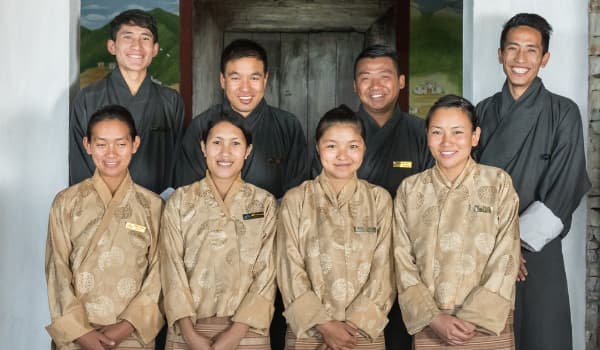
Due to the COVID-19 pandemic, Bhutan’s borders have had to remain closed for quite some time now, meaning that we haven’t been able to welcome any of you to experience our great nation. During these hard times, while we have been able to keep our whole team employed on rotation, there has been a lot of free time away from the lodge for our team to utilise. We asked some of our team members to share what they have been doing during this time.
January, 2026 
A Guide to Bhutanese Food: Flavours, Traditions, and the Heart of Himalayan Cuisine
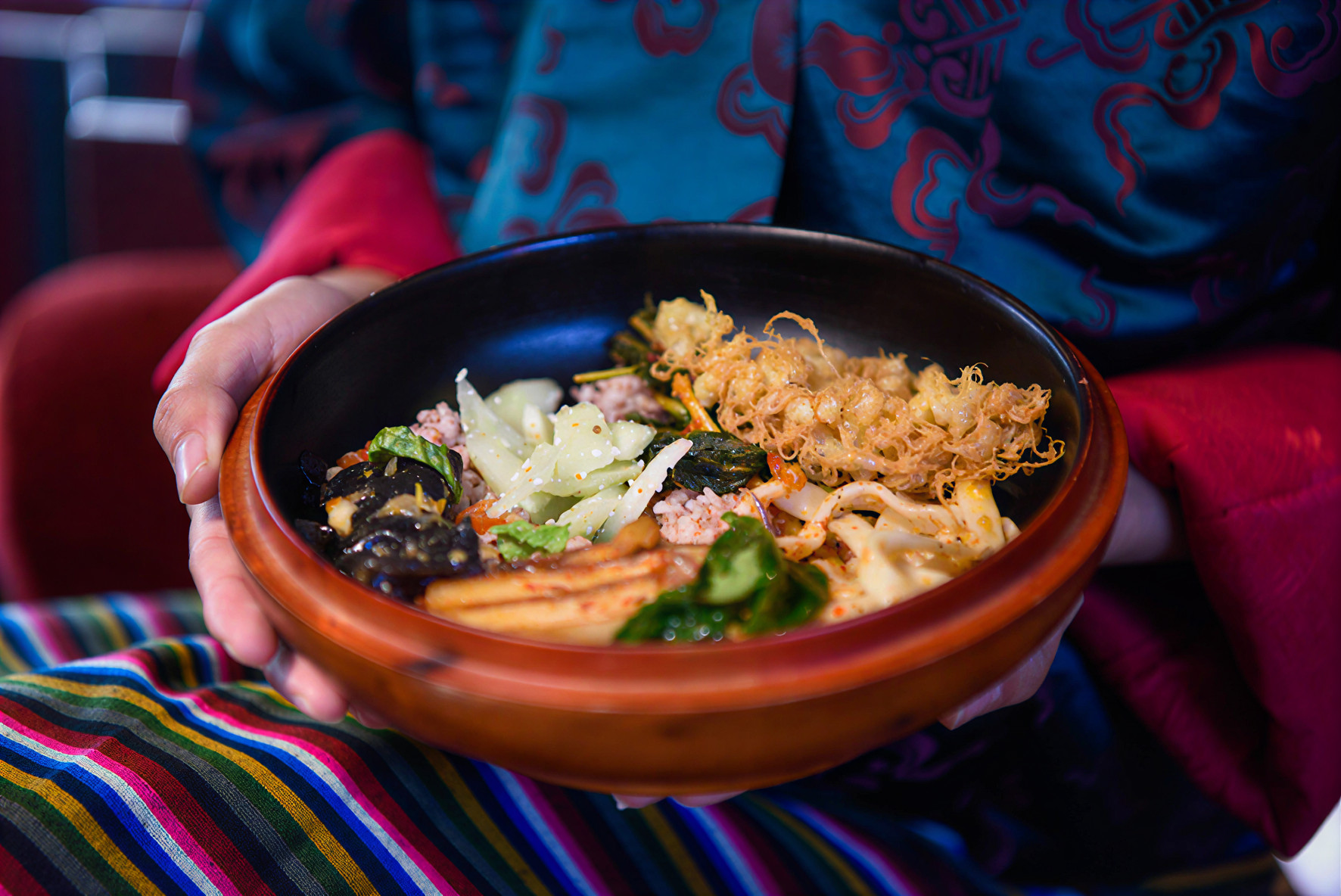
Bhutanese food is a vibrant expression of the kingdom’s landscape and traditions — warm, comforting, and deeply rooted in Himalayan life. Whether you’re savouring ema datshi beside the lodge fireplace or sharing a farm-fresh meal in the Phobjikha Valley, Bhutanese cuisine invites you into a way of living shaped by community, seasonality, and gratitude.
Traditional Bhutanese Dishes
Bhutanese meals focus on nourishment and balance, shaped by the climate and the country’s deeply agricultural roots. Red rice, fresh vegetables, buckwheat, and warming curries form the base of many dishes. A few staples you’ll encounter across the country include:
- Kewa Datshi – Potatoes in a mild, comforting cheese sauce.
- Phaksha Paa – Pork stewed with chillies or radish.
- Shakam Paa – Sun-dried beef cooked slowly with chillies.
- Hoentay – Buckwheat dumplings filled with greens and cheese.
Each dish carries the flavours of the land, simple ingredients elevated by tradition and care.
The Role of Chillies: Warmth, Flavour, and Daily Life
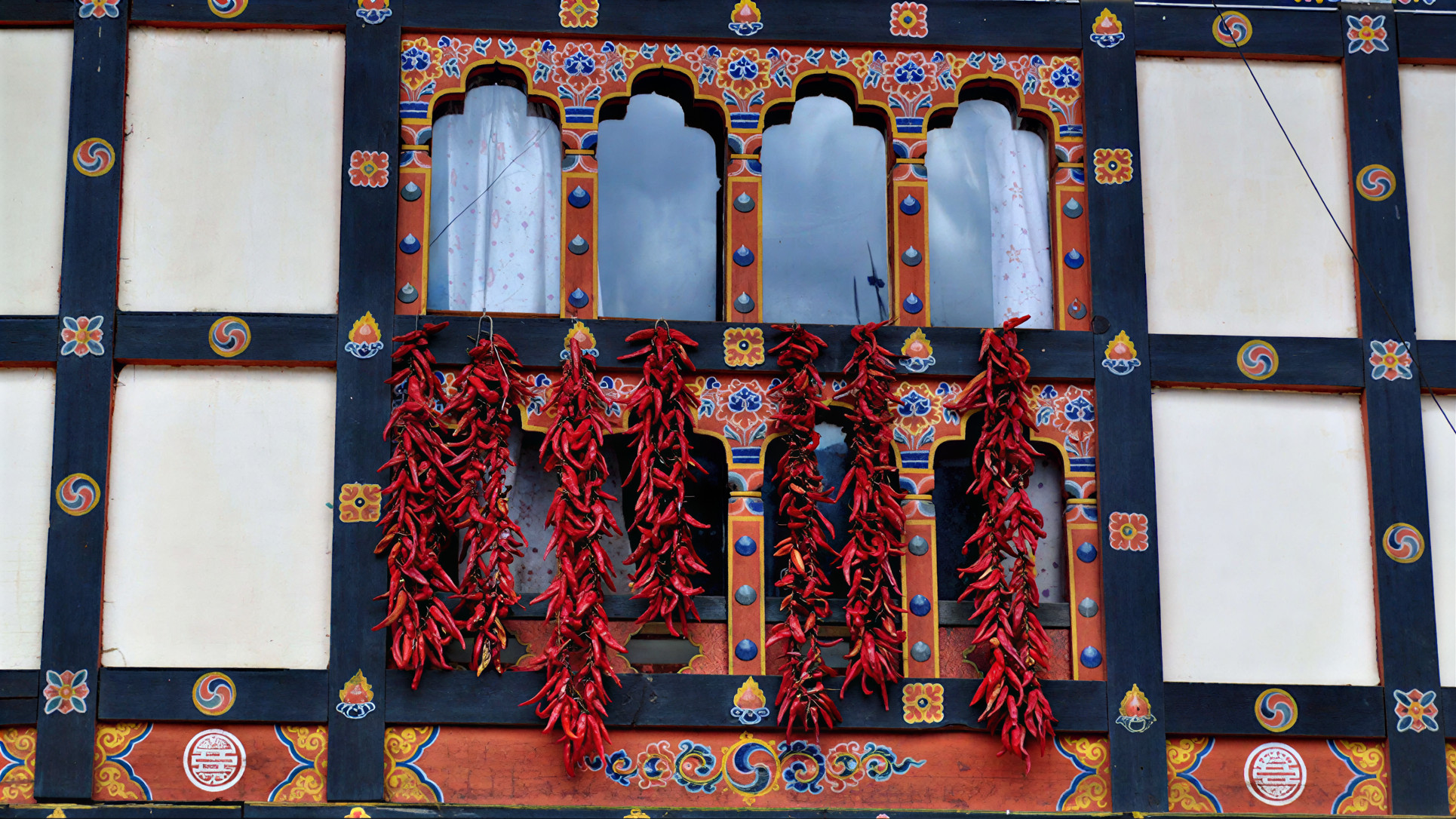
Chillies are essential in Bhutanese cooking, used not only to add heat but as a vegetable in their own right. In a country shaped by cool mountain air and high-altitude living, this warmth is both practical and comforting. You’ll often see strings of red chillies drying on rooftops and windowsills throughout the autumn months, an everyday reminder of how central they are to Bhutanese flavour.
So the question remains, Is Bhutanese food spicy?
Many dishes offer a gentle heat, while others carry the bold, fiery spirit Bhutan is known for. Guests can always choose the level of spice that feels right for them.
Bhutanese Food Culture: A Reflection of Land and Community
Food in Bhutan is closely tied to the rhythms of rural life. Agriculture shapes the lives of most Bhutanese families, and the monsoon rains are vital to the success of the farming season. With this comes a cycle of rituals, blessings, and community gatherings that honour the land.
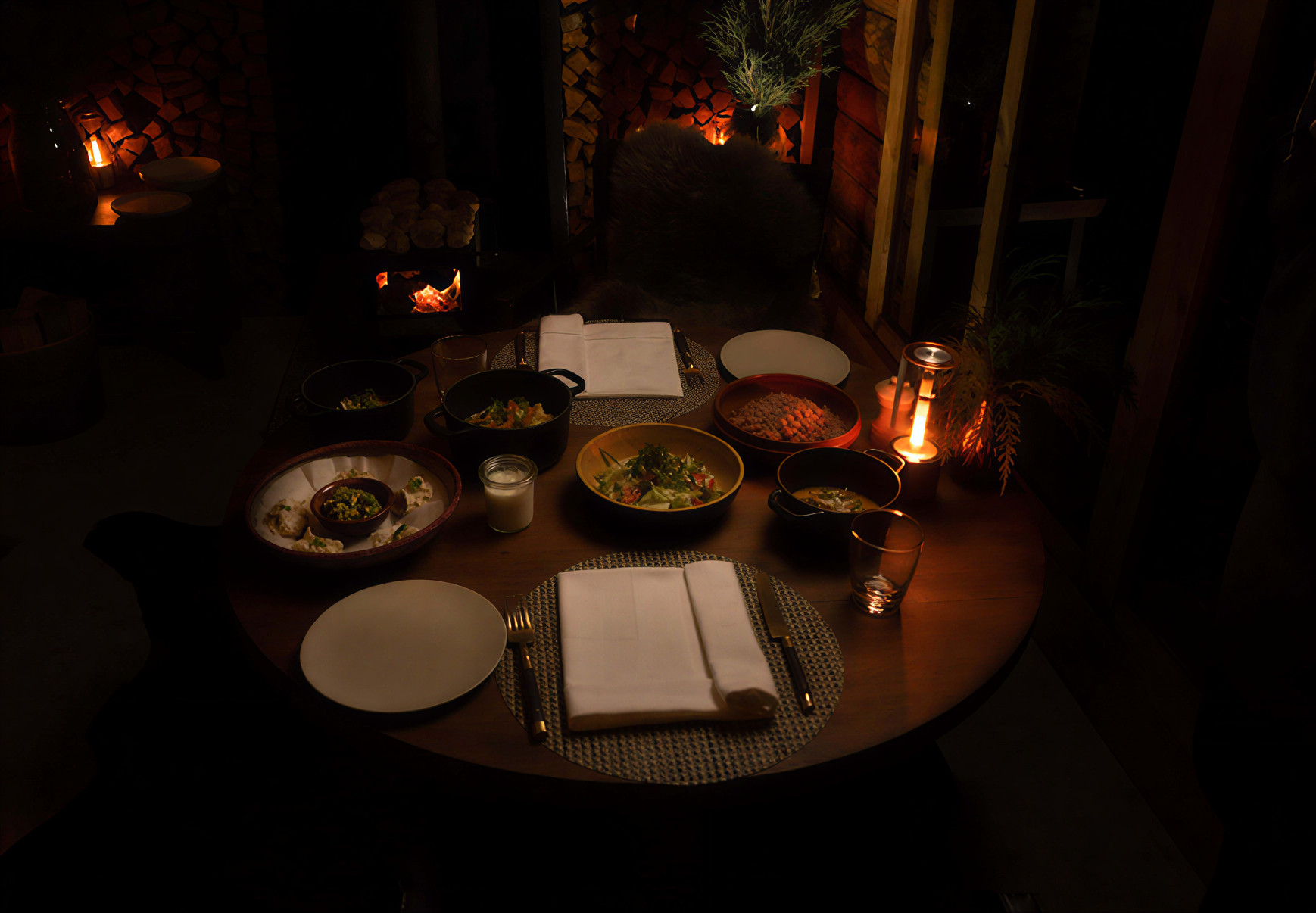
Meals mirror this same philosophy. They are shared around a low table, unhurried and generous. Rice forms the foundation, with dishes placed in the centre for everyone to enjoy.
Vegetarian travellers will find many plant-forward dishes shaped by local produce, mushrooms, and buckwheat; wholesome, comforting, and true to Bhutanese flavours.
Where to Experience Authentic Bhutanese Food
The most memorable Bhutanese meals are often found in local farmhouses and intimate lodges, where traditional cooking is honoured. At Gangtey Lodge, our menus are inspired by the region’s flavours, seasonal ingredients, and the valley’s slow, grounding rhythm. Guests frequently enjoy Bhutanese classics after valley walks or cultural excursions, prepared with thoughtful technique and quiet authenticity.
A Recipe from our Chef
One of the most comforting expressions of Bhutanese food is thukpa, a warming noodle soup traditionally enjoyed during colder months and after long days in the valley. At Gangtey Lodge, this humble dish reflects the spirit of Bhutanese cooking — seasonal, nourishing, and shaped by what the land provides. The recipe below is wonderfully flexible and can be adapted to suit a variety of palates and dietary preferences, with our chef offering thoughtful suggestions for vegetarian and vegan versions while staying true to the soul of this beloved Bhutanese staple.
Bhutanese Thupka
Recipe type: Soup/ Substantial
Time: 60 mins
Serving: 4
Ingredients
200g Noodles (handmade wheat noodles or buckwheat noodle)
Vegetables:
1 cup finely chopped cabbage
1 medium carrot, julienned
1 small daikon radish, sliced thin
1 cup spinach or seasonal greens
1 small onion, finely chopped
2 cloves garlic, minced
1 thumb ginger, grated
Protein (optional):
1 cup diced chicken or yak meat (traditional), or tofu for vegetarian
Broth base
1.5 litres vegetable or chicken stock
2 tbsp butter or cooking oil
1 tsp turmeric powder
1 tsp Sichuan pepper (thingey)
1–2 fresh green chillies, slit (adjust to taste)
Salt to taste
Soy sauce (optional, 1 tbsp for depth)
Garnish
Fresh coriander leaves
Spring onions, chopped
A squeeze of lime
Instruction:
Prepare the broth
- Heat butter or cooking oil in a deep pot.
- Add onion, garlic, and ginger; sauté until fragrant.
- Stir in turmeric and Sichuan pepper.
Add vegetables & protein
- Add carrot, radish, and cabbage. Sauté lightly.
- If using chicken or yak meat, add now and cook until sealed.
Simmer
- Pour in stock, add chillies, and bring to a gentle boil.
- Simmer for 15–20 minutes until vegetables are tender and flavours meld.
Cook noodles separately
- Boil noodles until just tender. Drain and set aside.
Combine
- Add noodles and spinach to the broth just before serving.
- Adjust seasoning with salt and soy sauce if desired.
Serve hot
- Ladle into bowls, garnish with coriander, spring onions, and lime juice.
Chef’s note: Notes Bhutanese thukpa is rustic and adaptable—local grains, rice noodles, or hand‑rolled dough strips are often used. For a winter touch, add a pinch of dried chili flakes or smoked cheese (datshi) for richness. Vegetarian versions are common, highlighting seasonal greens and root vegetables.
Conclusion: The Heart of Bhutan on a Plate
Bhutanese food isn’t just eaten, it’s experienced. It reflects a country guided by community, nature, and tradition. From the comfort of datshi dishes to the warmth of chillies and the joy of communal harvest, the flavours of Bhutan invite every traveller to connect more deeply with the kingdom and its way of life.
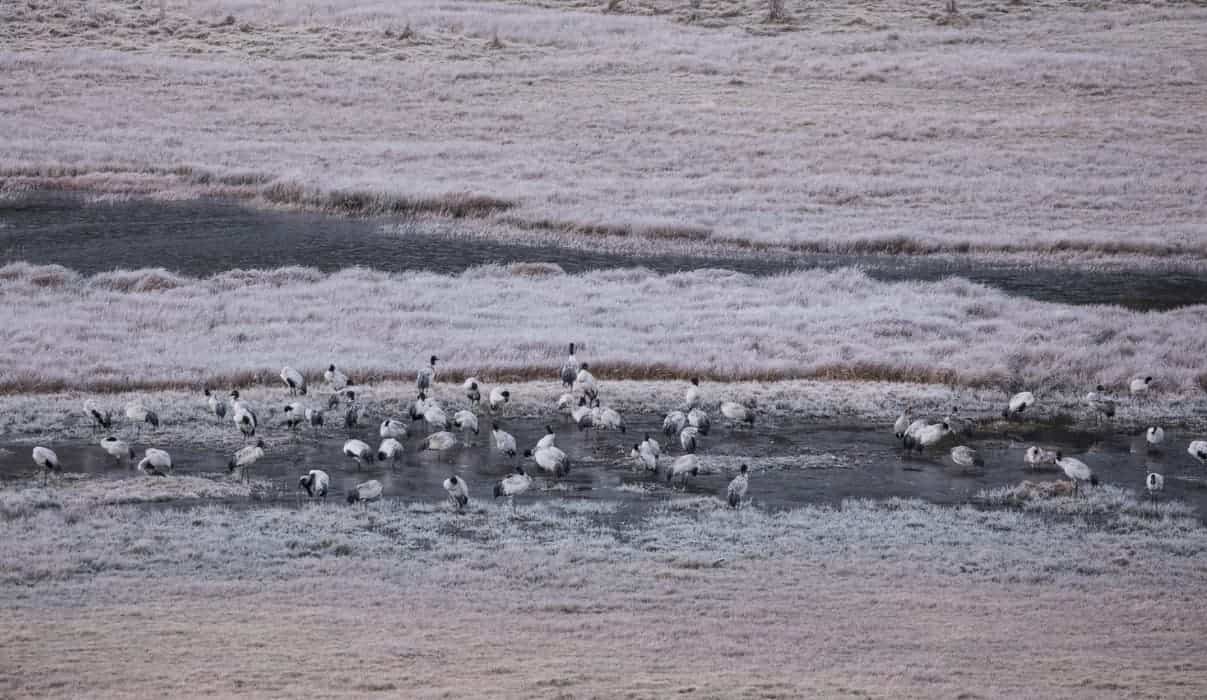
If Bhutan wears the crown for caring for the environment, then Phobjikha Valley is the jewel in that crown. Phobjikha Valley is one of the largest, high-altitude wetlands in Bhutan, situated on the western slopes of Jigme Singye Wangchuck National Park.
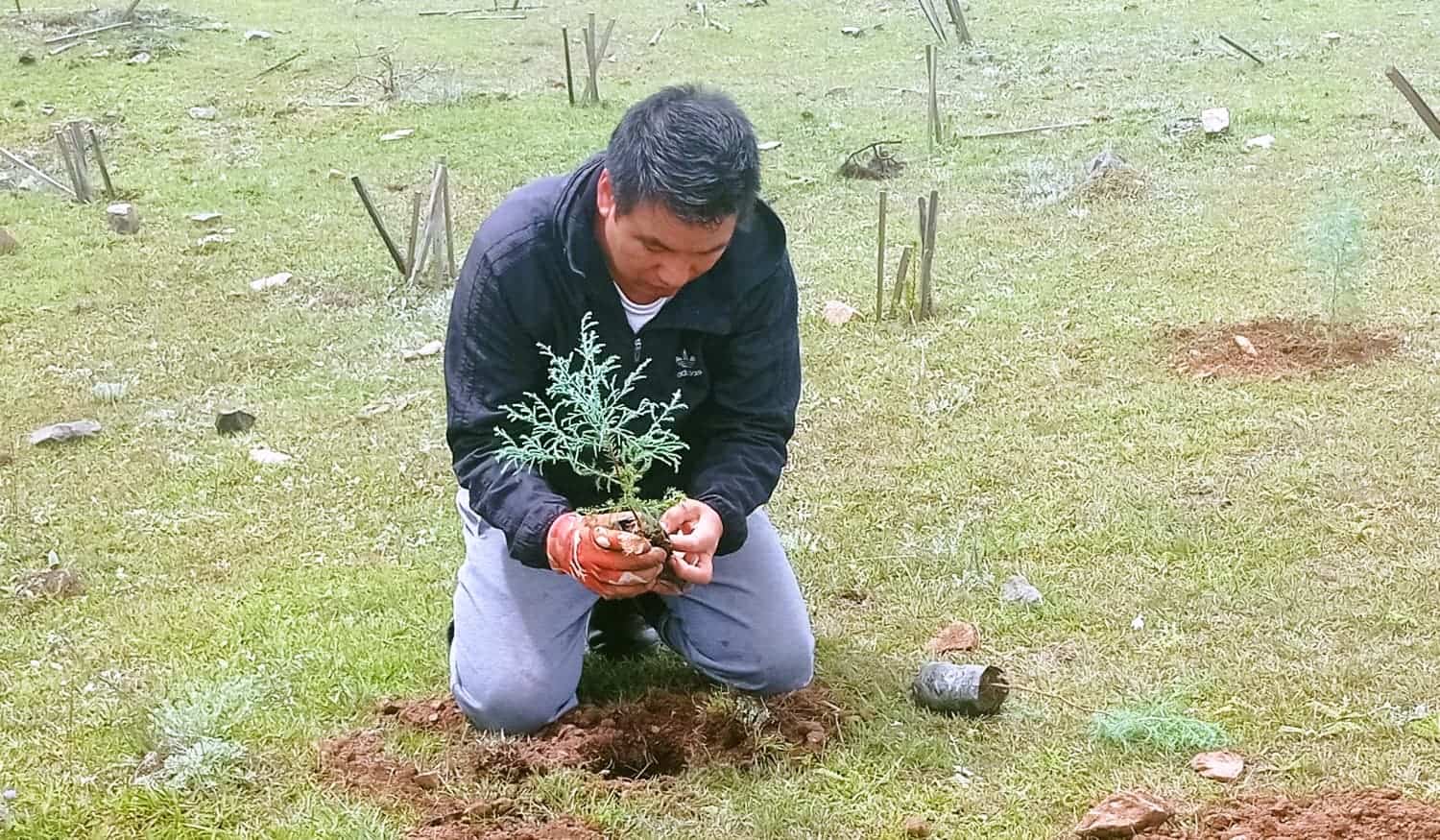
Since we haven’t been able to welcome any guests to our lodge lately, we thought we would share with you all what our team has been up to while awaiting Bhutan’s borders to reopen. Below is an interview with our operations manager, Sonam Dorji, on his recent work with the Gangtey Lodge green team.
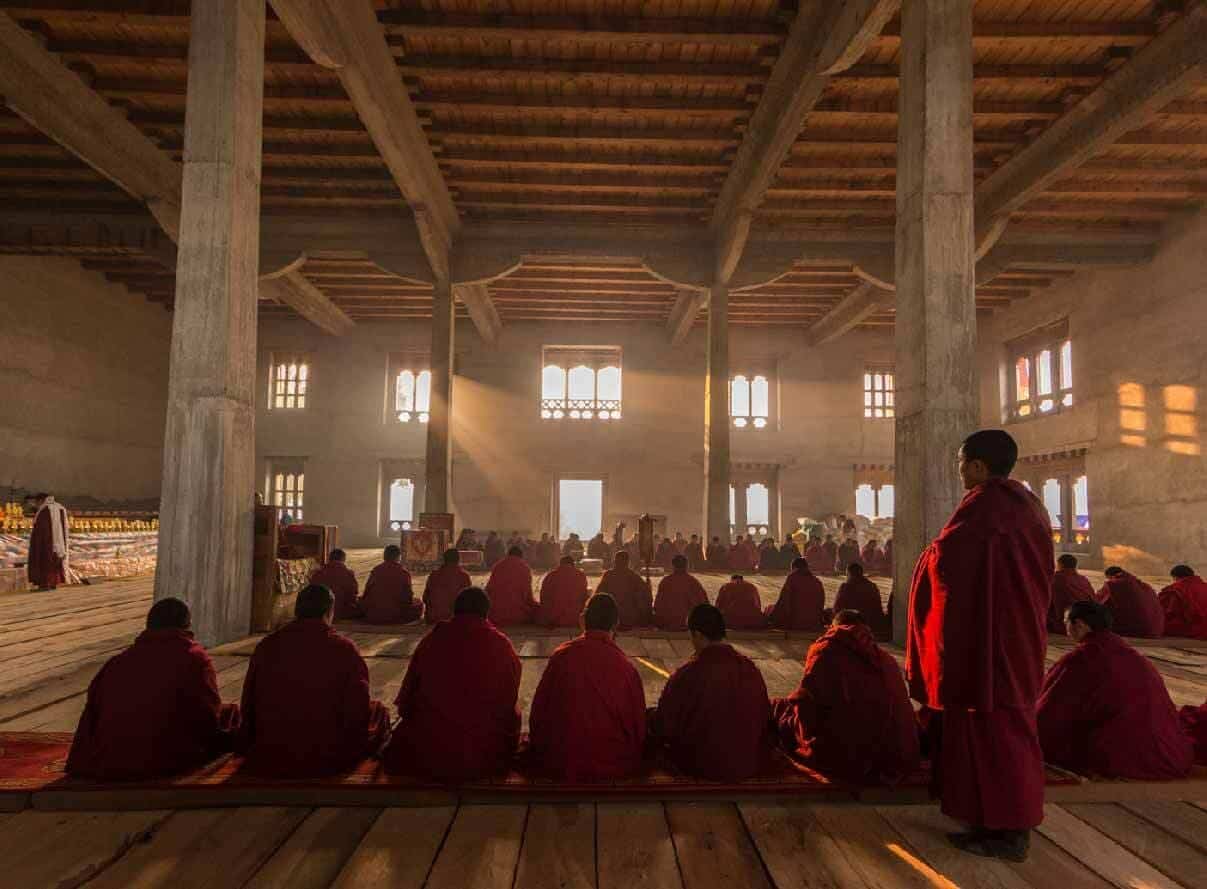
Bhutan is the world’s last remaining Vajrayana Buddhist Kingdom, and this ancient spiritual tradition is, to this day, embedded in the very consciousness and culture of the people.
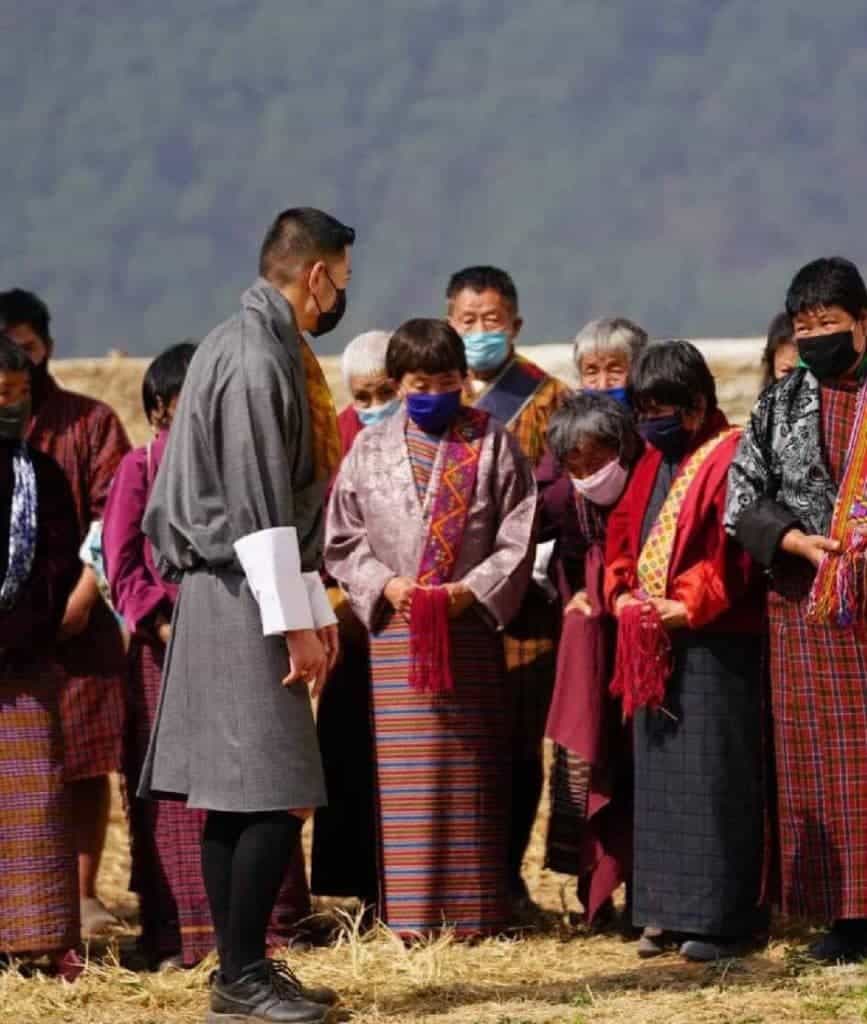
On July 20th, Bhutan began the roll out of the world’s fastest inoculation program, reaching 90% of its eligible adult population with a second dose within one week.
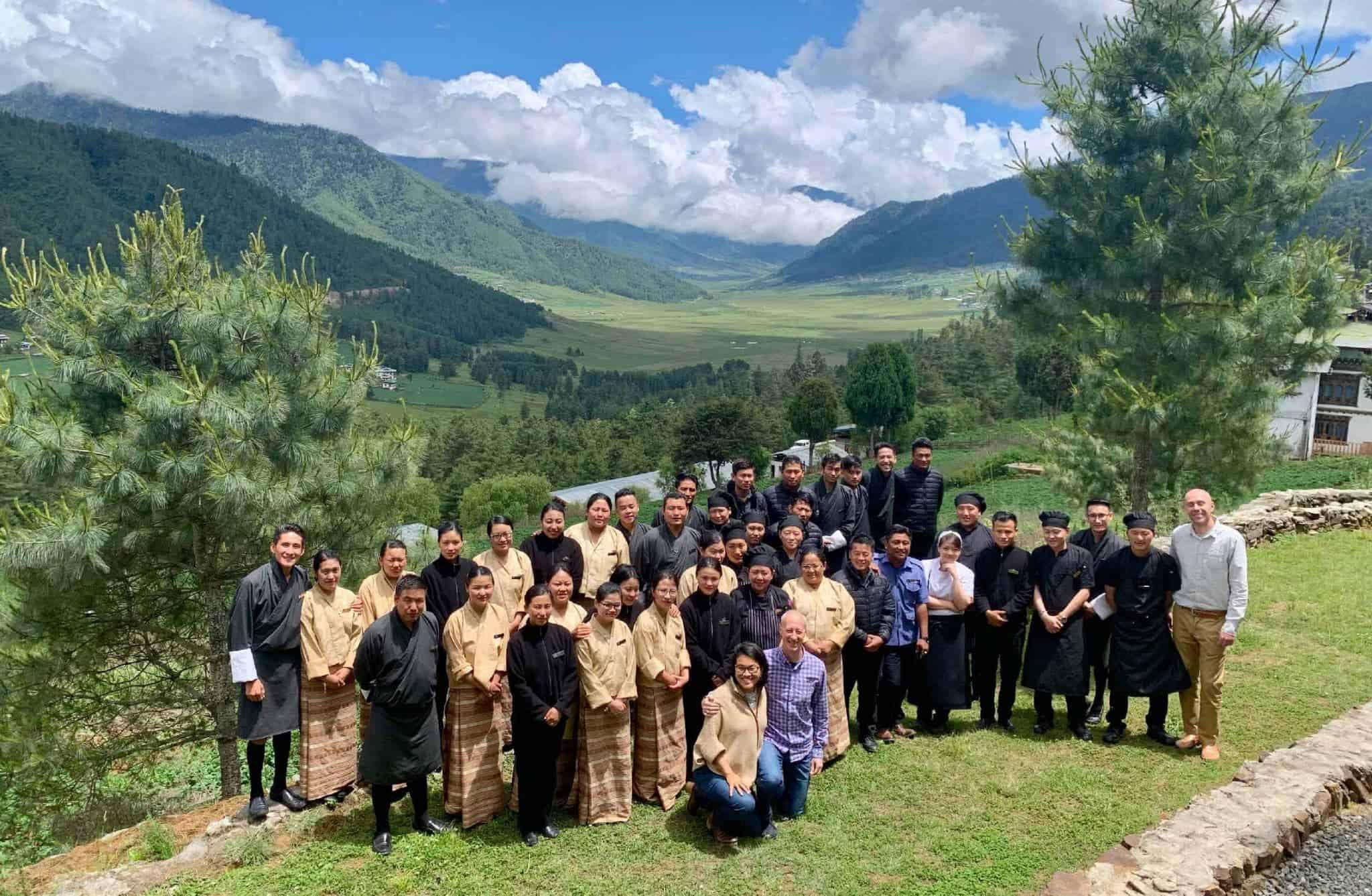
‘What are the Gangtey Lodge Team doing whilst Bhutan’s borders and Lodge are closed?’ is a question we often get asked.
We are happy to have kept all our team employed on rotation, whilst they pursue other projects in their free time. Here we interview Kinley Wangchuk (Food and Beverages Attendant) and Kinley Dorji (Spa Manager), about their work as Desuups – the Kingdom’s ‘Guardians of Peace’.