


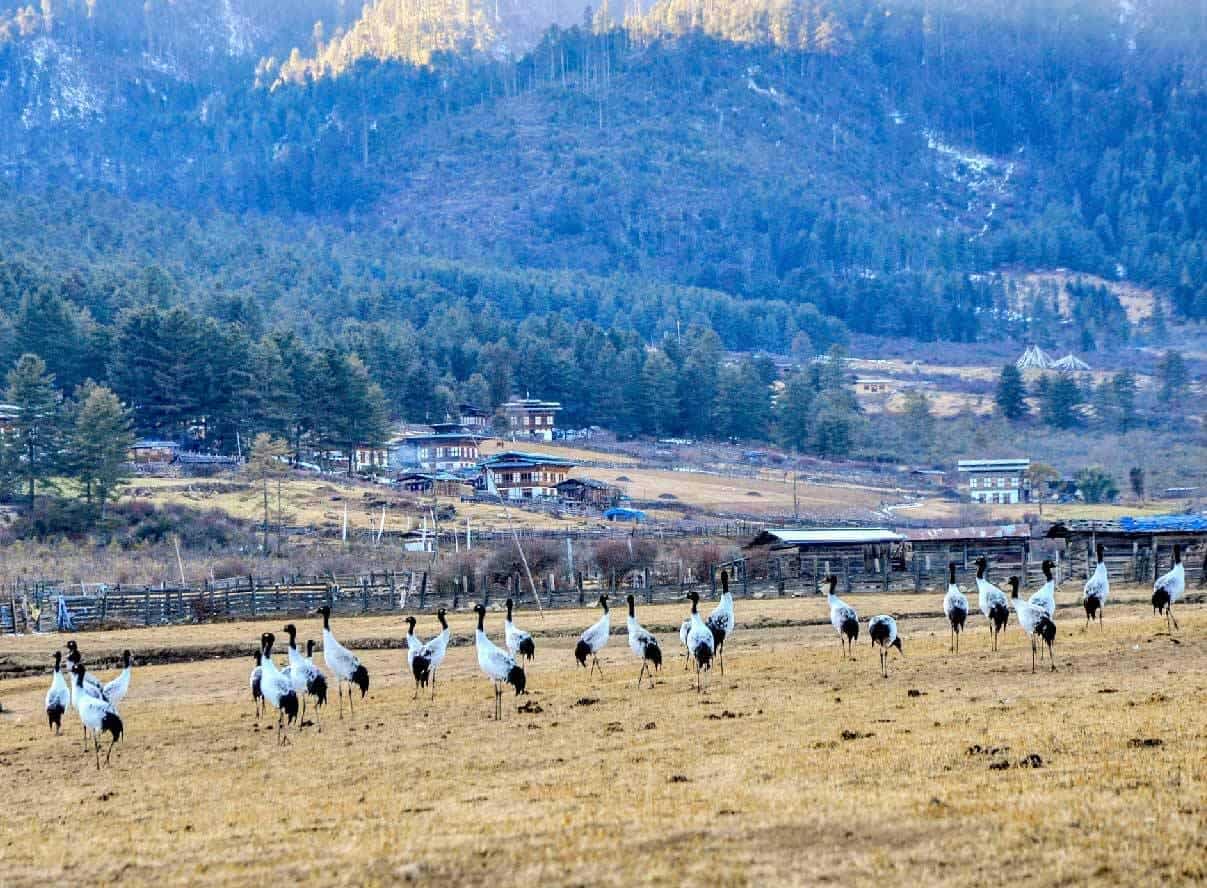
Bhutan’s tourism tag-line is “Happiness is a place” and certainly there are few other countries in the world quite so rooted in a sense of place as Bhutan.
December, 2025 
Bhutan Tourism: A Journey That Transforms
In a world obsessed with fast travel and ticking boxes, tourism in Bhutan stands apart as slow, soulful, and a deeply intentional journey.
This small Himalayan kingdom offers the space to reflect, to reconnect, and to be changed by where you are. More than a destination, Bhutan is a nation of philosophy - those who visit are not tourists - they're welcomed as pilgrims on a journey of intentional discovery.
The Bhutanese Philosophy: Gross National Happiness
Bhutan’s approach to tourism is rooted in its national philosophy of Gross National Happiness (GNH) - a framework that prioritises spiritual wellbeing, cultural integrity, and environmental stewardship over economic gain.
Unlike most nations that measure success by GDP, Bhutan measures the happiness and holistic health of its people in the GNH index. This guiding principle filters into every aspect of its tourism model, from the places you stay to the people you meet.
At Gangtey Lodge, guests often describe the experience not in terms of what they did - but how they felt: calm, connected, transformed.
The Bhutan Tourism Purpose
Bhutan’s tourism is famously governed by its “High Value, Low Volume” policy. This means travellers pay a Sustainable Development Fee (SDF), which supports local education, healthcare, and environmental preservation.
By visiting this beautiful country, you’re not simply paying to be there - you’re investing in Bhutan’s future. Bhutan is one of the few places in the world where sustainable tourism isn’t just a buzzword - it’s a national identity. As a result, it’s also the first carbon-negative country on Earth.
Best Time to Visit Bhutan: Seasons with Spirit
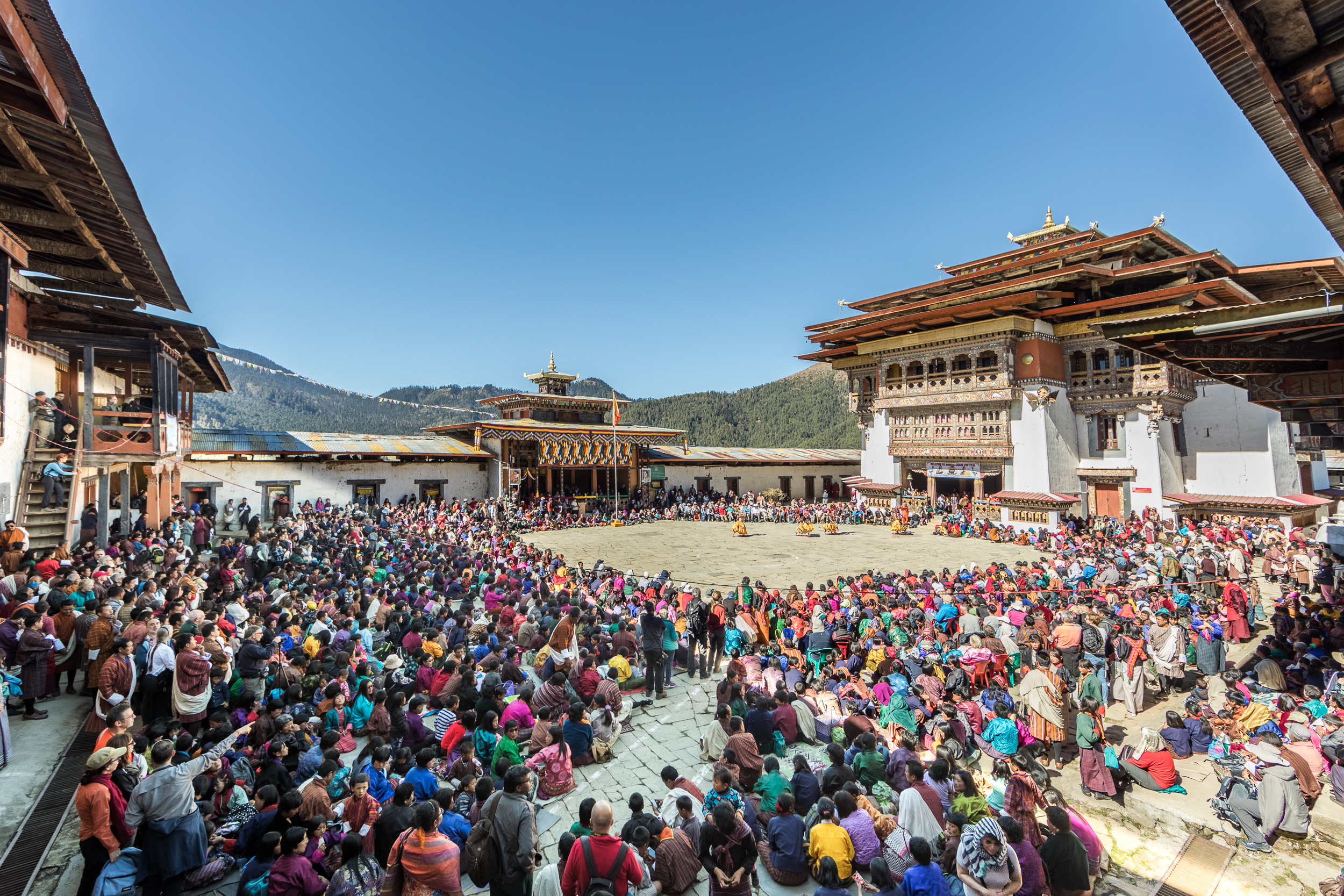
While Bhutan is beautiful year-round, the best time to visit Bhutan depends on what you seek:
- Spring (March to May) is alight with wildflowers in bloom, clear skies, and outdoor hiking at its very best.
- Autumn (September to November): The air is crisp, the colours golden, and major festivals like Thimphu Tshechu and the Black-Necked Crane Festival take flight, filling the valleys with celebration and meaning.
- Winter (December to February) welcomes fewer crowds, black-necked cranes in the Phobjikha Valley, and the soft magic of snow-dusted temples.
Each season offers a different mood, but one constant: a sense of stillness that lingers long after you leave.
Bhutanese Food: A Taste of Tradition
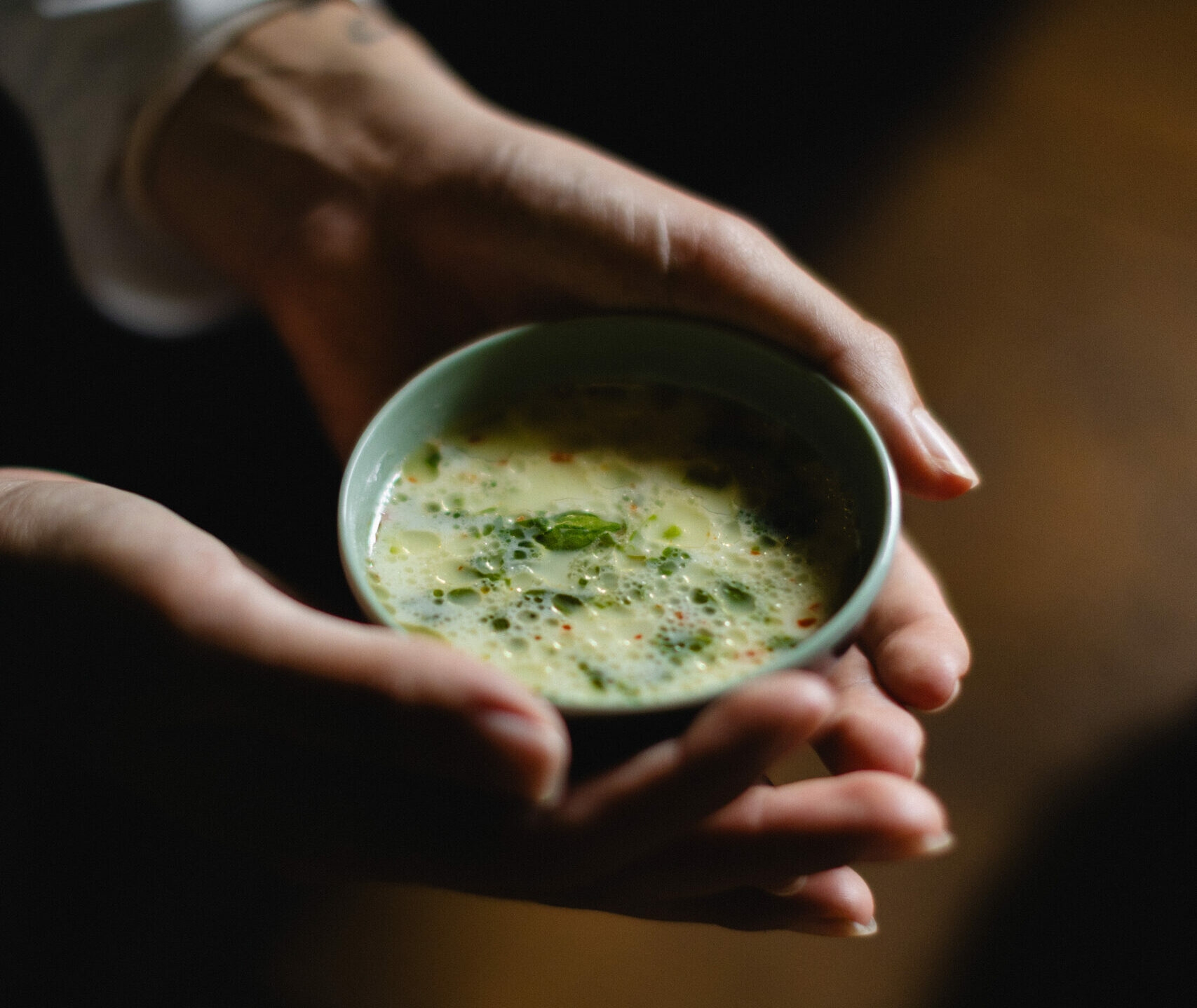
To understand a culture, eat its food. In Bhutan, meals are as meaningful as they are memorable. Expect farm-to-table simplicity, spice-forward flavours, and rituals deeply-rooted in sharing.
Some dishes to try:
- Ema Datshi – Bhutan’s national dish of chillies and cheese
- Red rice – nutty, hearty, and often served with every meal
- Jasha Maru – spicy chicken stew with ginger and garlic
- Suja (butter tea) – salty, comforting, and traditionally offered to guests as a sign of hospitality
At Gangtey Lodge, food is part of the journey. Whether served picnic-style with mountain views, or within a serene monastery, at Gangtey - food is as much of an experience as the trip itself.
Why Bhutan Tourism Feels Different
Bhutan is not designed for mass tourism - and that’s exactly the point. Instead of queues and souvenir stalls, you’ll find prayer wheels, ancient footpaths, and genuine connections with local communities that will remain etched into your memory.
Travelling here means immersing oneself in sacred spaces, not just seeing them.
Hiking in silence, and actively contributing, not just consuming the surrounding spaces.
In places like Gangtey Lodge, you might spend a morning receiving a blessing from a monk, an afternoon sharing tea with a farmer, and a quiet evening soaking in a traditional hot stone bath.
This is meaningful travel - the kind that changes you gently, and for good.
Bhutan: A Model for Mindful Travel
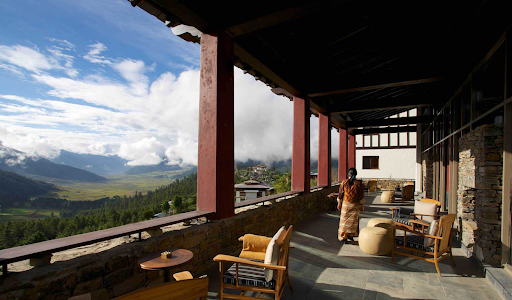
The world is watching Bhutan - not for its size, but for its hearty spirit.
In an era where overtourism threatens culture and climate alike, Bhutan shows what’s possible when a nation chooses to say, “we’ll do it differently.”
Tourism here is slow, purposeful, and principled. It values quality over quantity, people over profit, and presence over performance. Whether you're hiking into Gangtey Valley at dawn, offering butter lamps in a hilltop temple, or sharing stories over ema datshi, one thing becomes clear:
In Bhutan, you don’t just see the culture - you live it.
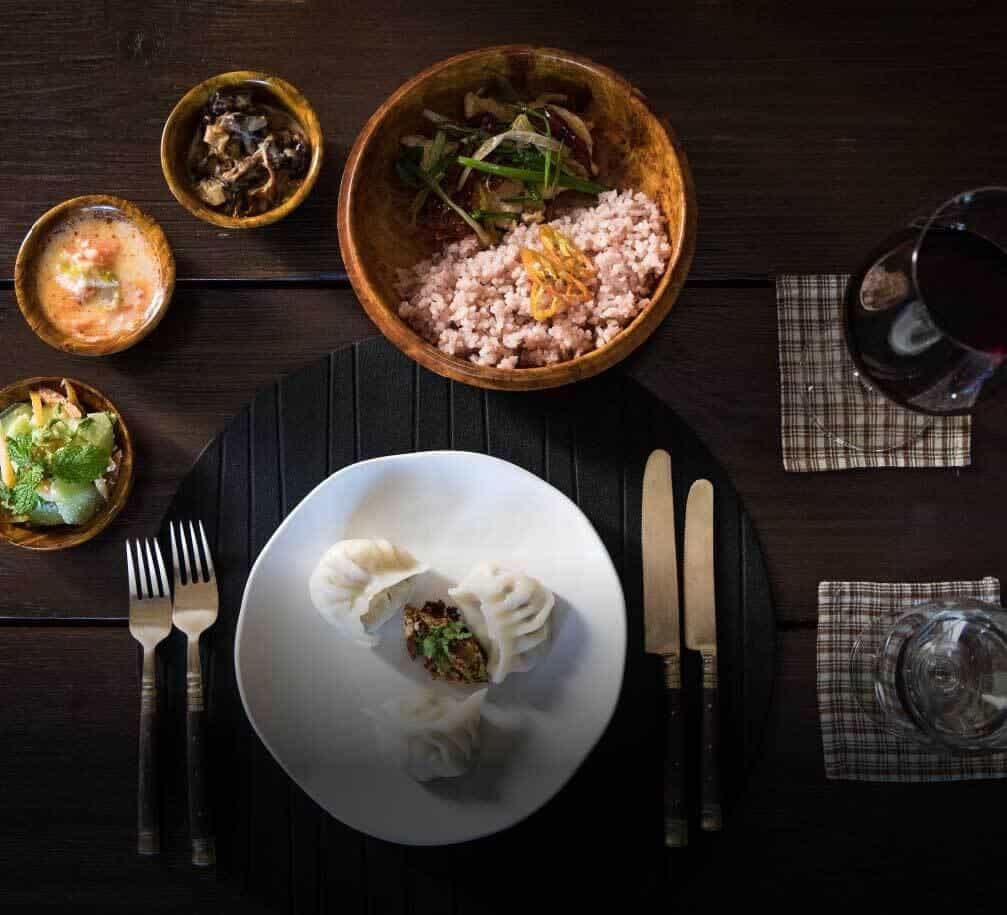
Sous Chef Wangchuk travelled to Thailand in August of 2022 to train at the beautiful Chiva-Som in Hua Hin, winner of the ‘Top Destination Spa Resort in the World’ in the Conde Nast Traveler, Readers’ Choice Awards.
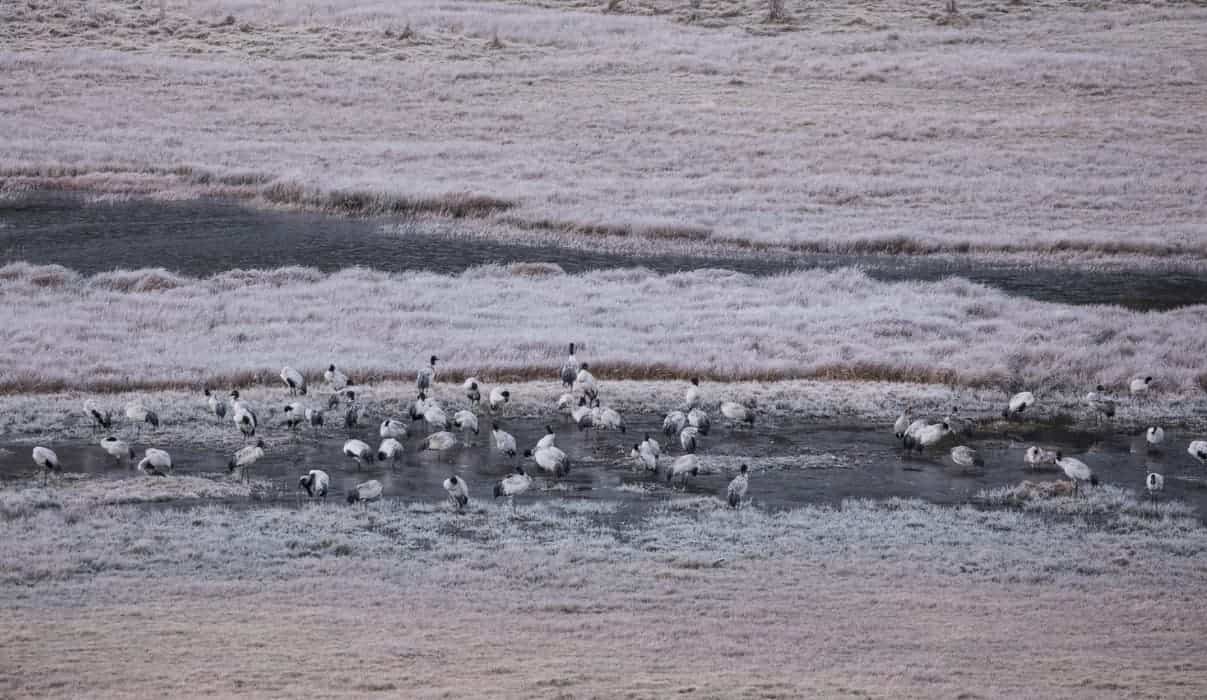
If Bhutan wears the crown for caring for the environment, then Phobjikha Valley is the jewel in that crown. Phobjikha Valley is one of the largest, high-altitude wetlands in Bhutan, situated on the western slopes of Jigme Singye Wangchuck National Park.
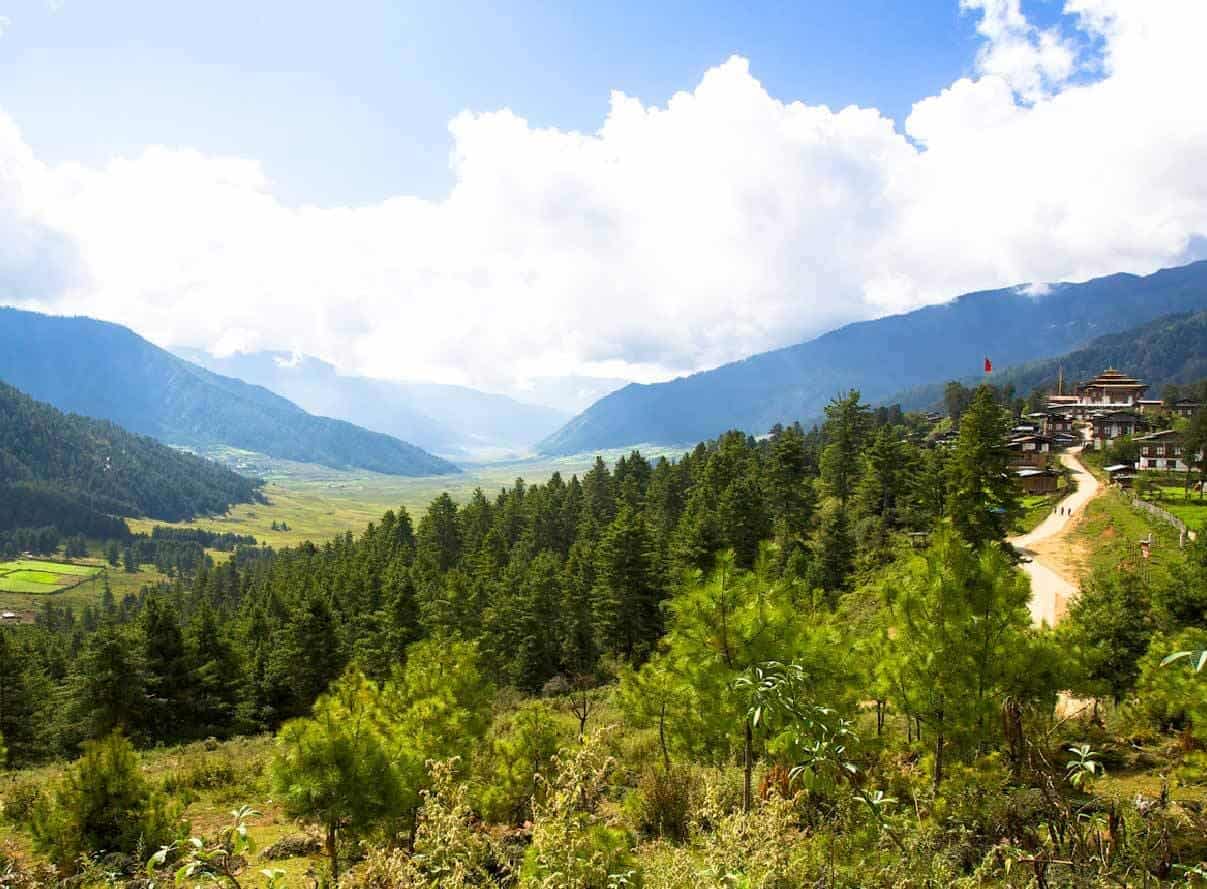
During the summer months of June, July and August the moody monsoon rains roll in from India and the valleys of Bhutan are blessed with abundant rain.
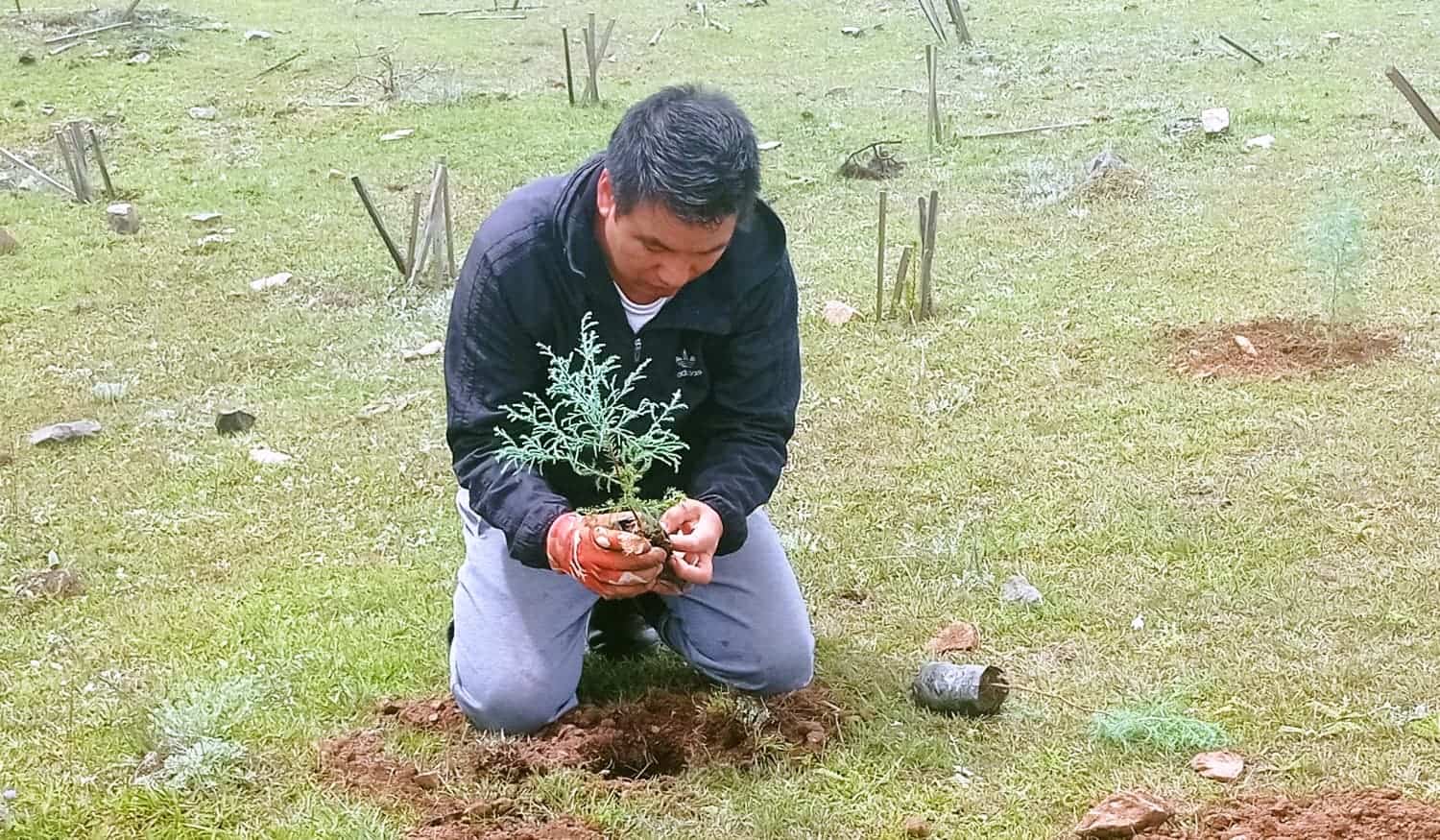
Since we haven’t been able to welcome any guests to our lodge lately, we thought we would share with you all what our team has been up to while awaiting Bhutan’s borders to reopen. Below is an interview with our operations manager, Sonam Dorji, on his recent work with the Gangtey Lodge green team.
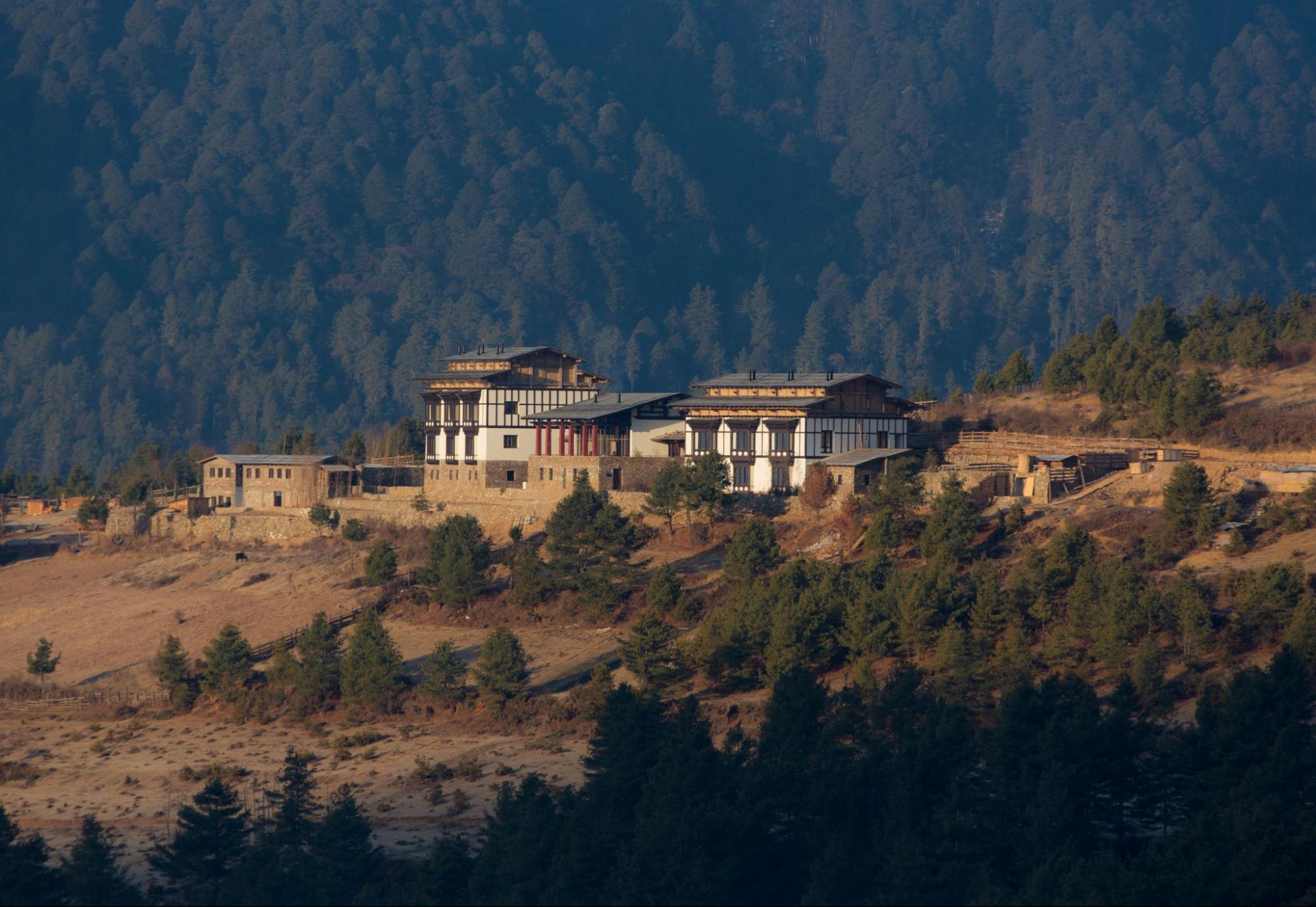
Experience Bhutan where stillness leads the way—luxury, spirituality, and deep connection in the heart of the Himalayas.